MICHAEL ARNOLD ART

 Bookmark and Share
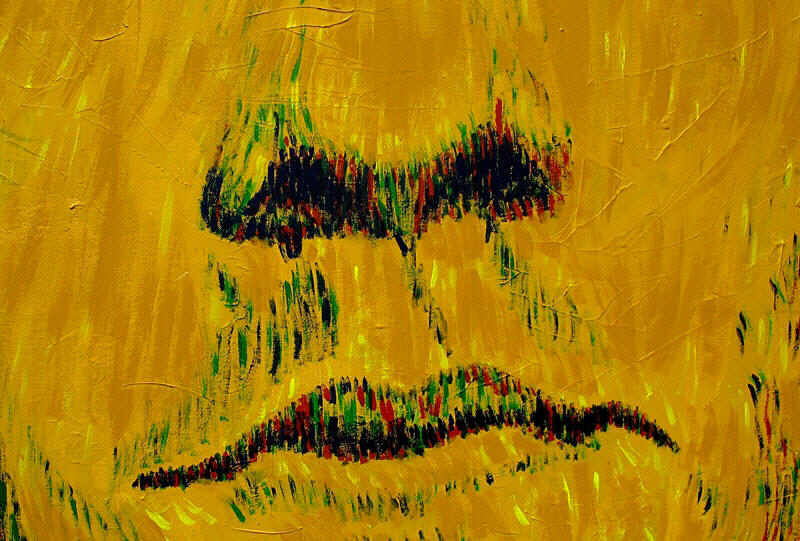
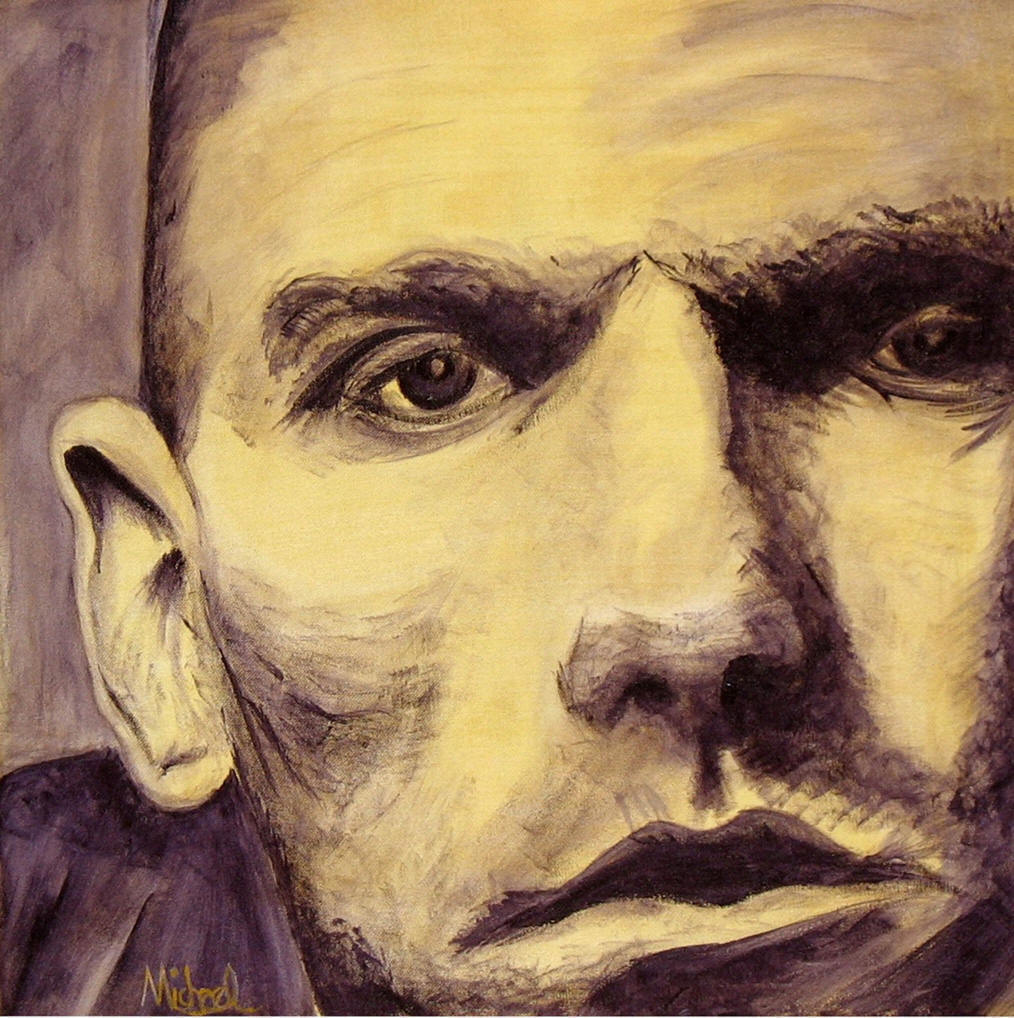
 "Stipe Three"
 
2008 Acrylic on canvas 40 x 30 inches
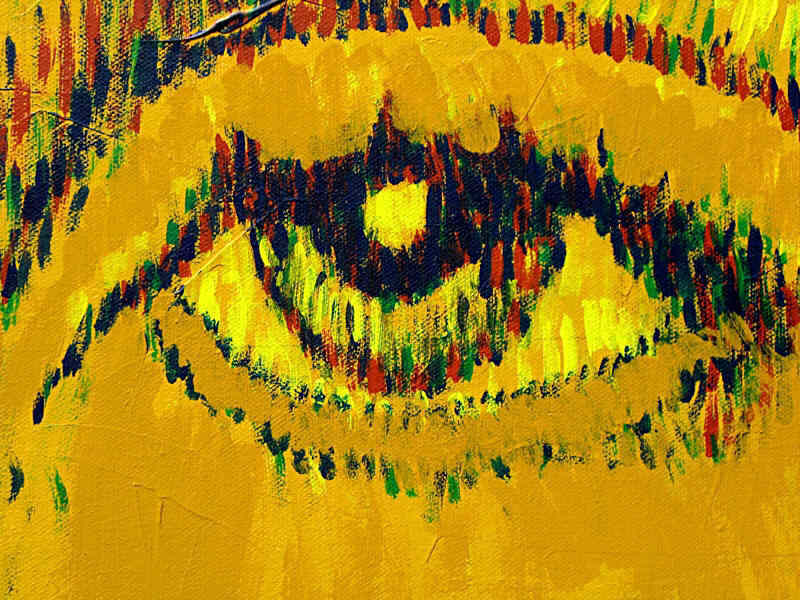
"Stipe Three" award winning artist Michael Arnold uses a pointillism style for this portrait painting of Michael Stipe"Stipe Three” is an original, signed acrylic painting on a gallery-wrapped canvas by artist Michael Arnold. This is the third painting in my Michael Stipe series. I painted the background using a painting knife loaded with modeling paste and a mix of yellow oxide, cadmium yellow medium and buff titanium. I placed lines of red oxide, permanent green light and phthalocyanine blue side by side to build up the various tones for the portrait. I used touches of cadmium yellow light and medium to add some highlights and finished it off with pure yellow oxide to punch up the neutral tones. The finished result is a unique portrait painting, which uses a mixture of Impressionism and a variation of Pointillism to create form. The painting makes a bold statement on any wall where it is displayed. "Stipe Three" is also available as the front of note cards and the prints can be purchased here. This artwork was created using acrylic paint on a high quality wrapped canvas. Acrylic paint works very well on stretched canvas. When purchasing artwork many people aren't sure what the difference is between acrylic and oil paintings. The main difference between acrylics and oil paints is the inherent drying time. Oils allow for more time to blend colors and apply even glazes over underpaintings. This slow drying aspect of oil can be seen as an advantage for certain techniques, but in other regards it impedes the artist trying to work quickly. The fast evaporation of water from the acrylic paint film can be slowed with the use of acrylic retarders. Retarders are generally glycol or glycerin-based additives. Oil paints tend to require the addition of a toxic solvent, such as mineral spirits or turpentine to thin the paints and clean up tools, though relatively recently water soluble oil paints have been developed for artist use. Secondly, oil paint films become increasing yellow and brittle, and will lose their flexibility in a few decades. Acrylics can be used on many surfaces without a medium- layer. They allow sharp brush-strokes but also a more delicate shading, although it is more difficult to create a smooth change between different shades. They are usually very bright. Although the permanency of acrylics is sometimes debated by conservators, they appear more stable than oil paints.  

Purchase Price $625


Our Policies Home Back Additional Views